At first glance, Mostra looks like many other electronic music festivals: a carefully curated line-up, artists from across the globe, and several days of performances spread throughout Barcelona.
But after speaking with the people behind the festival, one thing quickly becomes clear: the avant-garde spirit that defines Mostra extends far beyond its musical programming. It is embedded in every aspect of the event.
At a time when many of Europe's largest festivals compete through scale, blockbuster line-ups and commercial appeal, Mostra has deliberately chosen a different path. One that views the way a festival is organised as being just as important as the music it presents.
Curating Beyond the Line-up
According to festival director Félix, this philosophy has shaped Mostra since its inception.
The ambition was never to replicate the formula of Barcelona's larger, more commercially driven festivals. Instead, the team wanted to build a platform capable of championing a different vision of electronic music and the culture surrounding it.
That vision is built around three core principles.
The first is deeply rooted in the local scene. Every year, around one fifth of the programme is dedicated to artists from Barcelona, reinforcing the idea that a festival can actively contribute to the development of its own artistic ecosystem rather than simply importing international talent.
The second focuses on people. Mostra is committed to building a more inclusive line-up and a more diverse team, with particular attention paid to increasing the representation of women and fostering a culture based on care, respect and kindness.
The third pillar is environmental responsibility. Rather than relying on broad sustainability claims, the festival has developed a publicly shared three-year action plan designed to reduce its ecological footprint through measurable initiatives.
The goal is not to claim perfection, but to demonstrate that another way of organising festivals is possible.

When Values Become Concrete Actions
These ambitions materialise through a series of practical decisions that often remain invisible to festival-goers.
Simon, Mostra's Green Ambassador, explains that the festival works alongside artists to promote a positive climate vision looking towards 2030.
Before the festival even begins, workshops bring together members of the Mostra team and representatives from the wider community to identify local priorities and transform shared values into concrete actions.
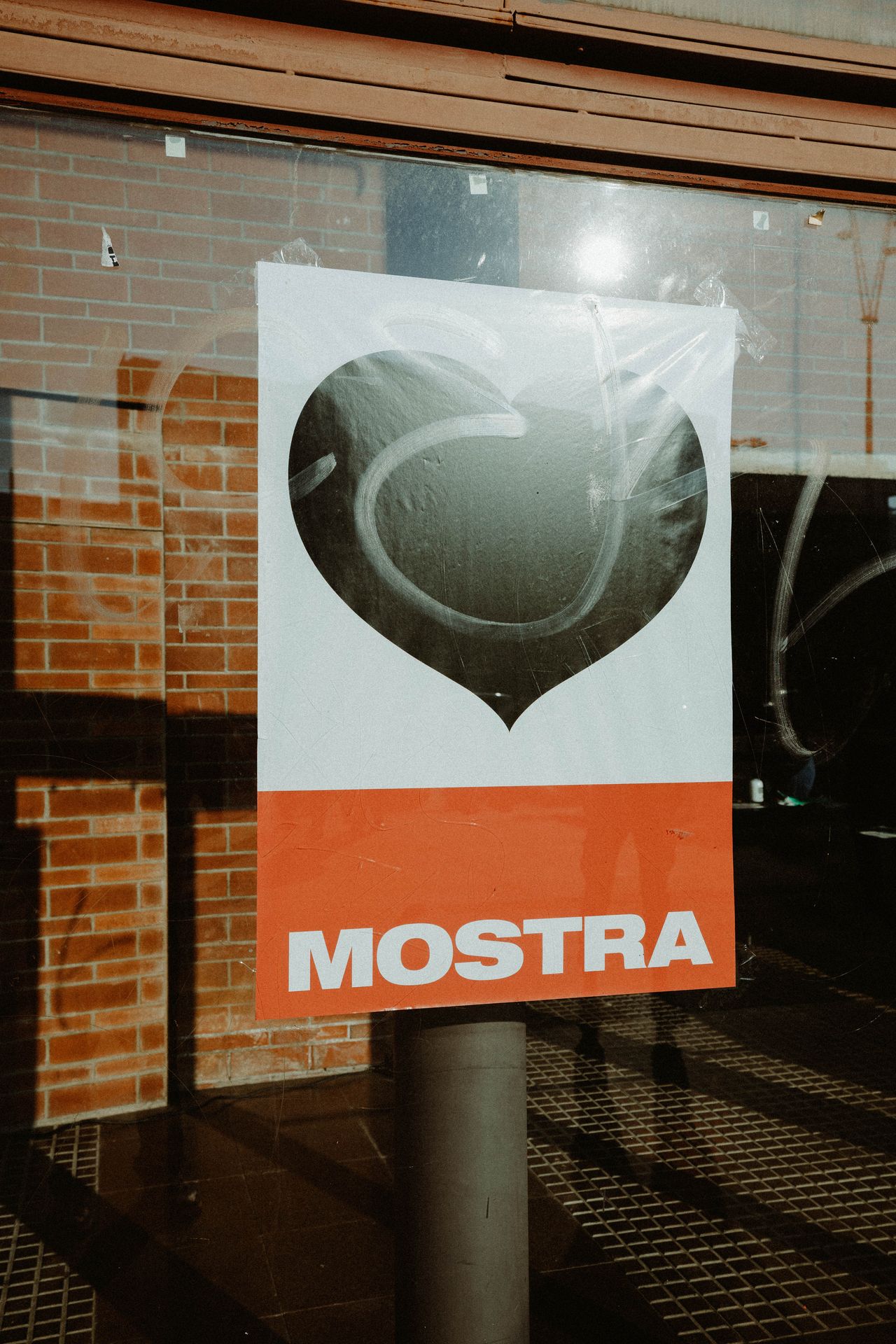
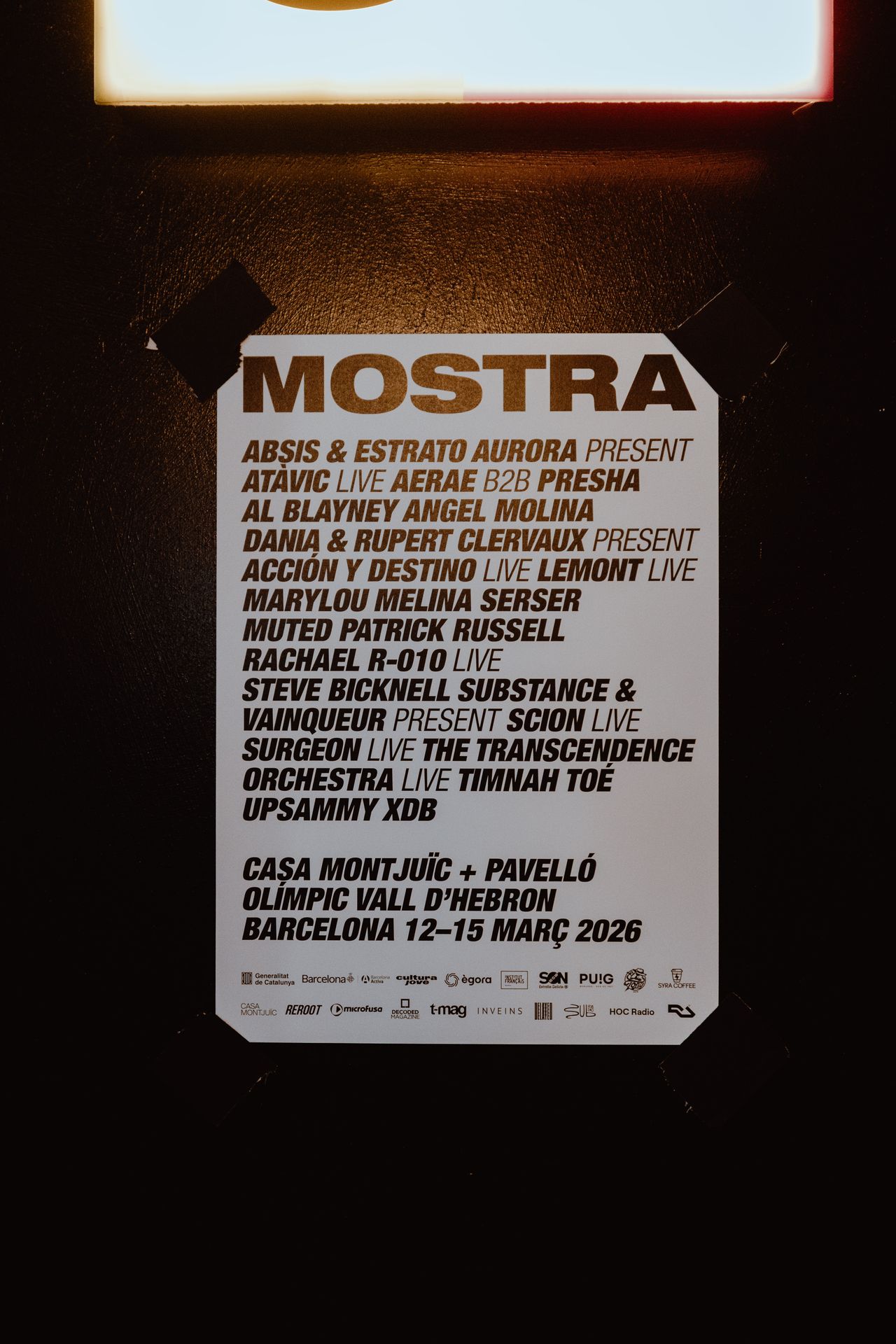
Throughout the festival site, many structures are built using reclaimed materials sourced from local organisations. Old promotional posters are creatively repurposed into decorative objects and cushions for the festival's chill-out areas, while waste—including food waste—is carefully sorted and recycled.
Artist travel is also addressed. French and Spanish artists are contractually encouraged to travel by high-speed rail whenever feasible. In return, the festival offers an additional night in Barcelona. The result is a genuine win-win situation: reducing transport emissions while giving artists the opportunity to spend more time discovering the city and strengthening their connection with the local creative community.
The festival also holds partnerships with hotels and hostels that themselves embrace sustainable practices. These kinds of partnerships allow discounts to Mostra’s attendees every year.
For Simon, however, the ambition reaches far beyond Mostra itself.
The festival recently launched a network bringing together independent festivals to collectively explore solutions to the environmental, organisational and economic challenges facing the sector.
In that sense, Mostra is not only organising an event—it is experimenting with what the future of independent festivals could look like.
Making Care Part of the Festival Experience
This commitment to doing things differently is equally visible in the way Mostra welcomes and supports its audience.
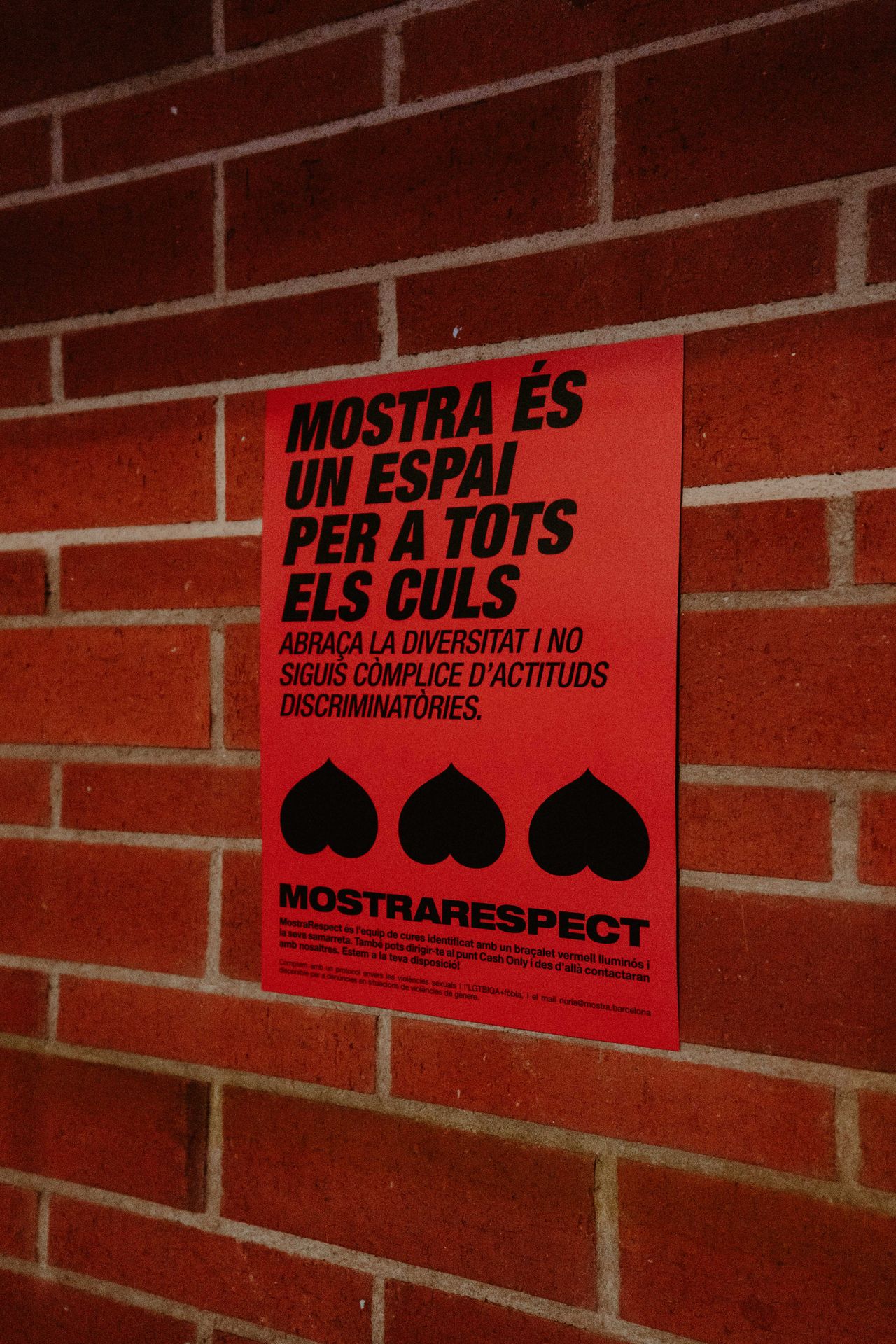
Through its MostraRespect initiative, the festival promotes three simple yet essential values: enjoyment, diversity and respect.
As the head of the MostraRespect team Nuria explains, this work extends far beyond the festival weekend. Throughout the year, Mostra collaborates with Barcelona's No Callem network, an initiative dedicated to creating safer nightlife spaces across the city.
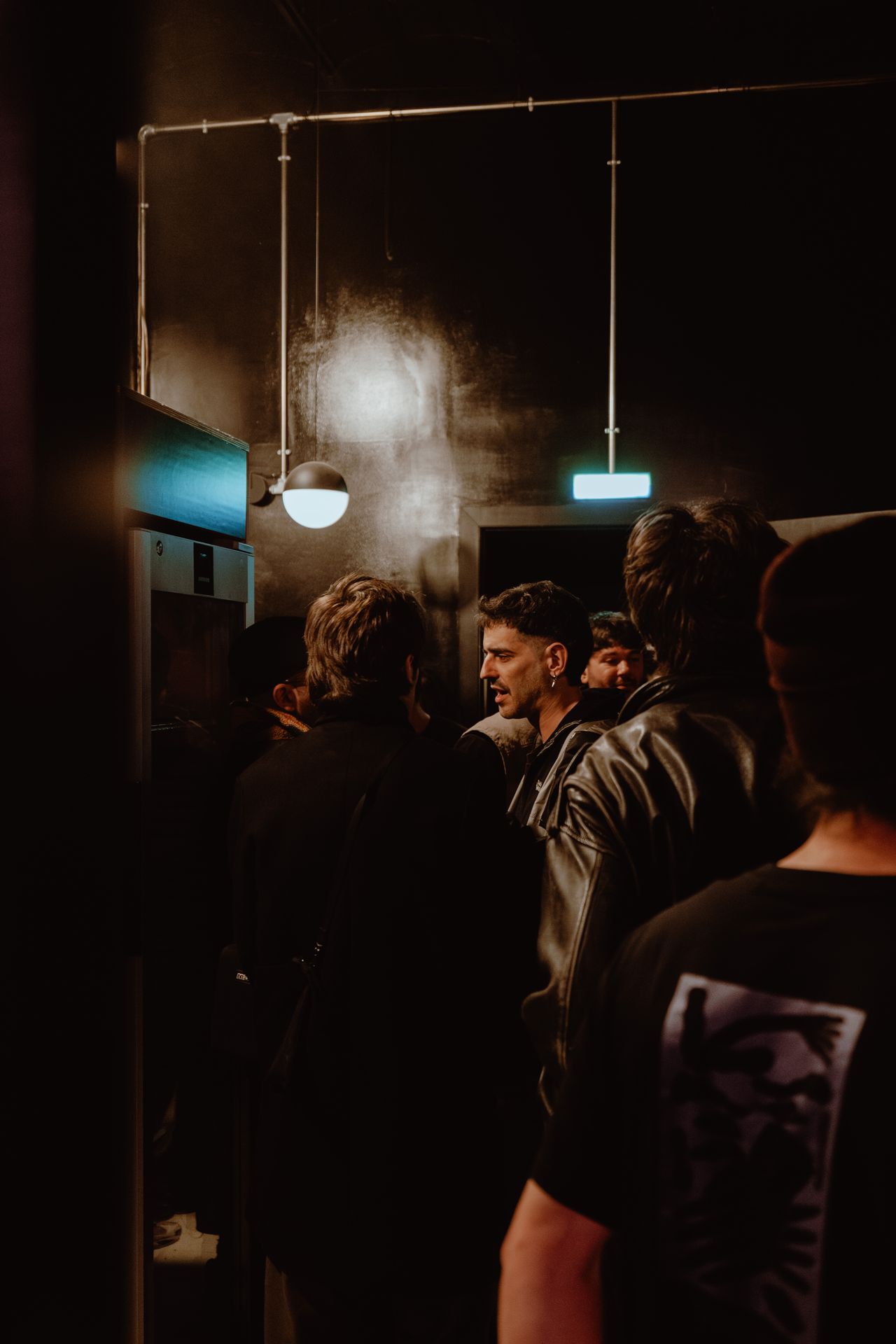
During the festival, a dedicated prevention team welcomes attendees upon arrival, explaining how the festival operates and how everyone can contribute to creating a safer environment where people feel free to dance, express themselves and enjoy the experience.
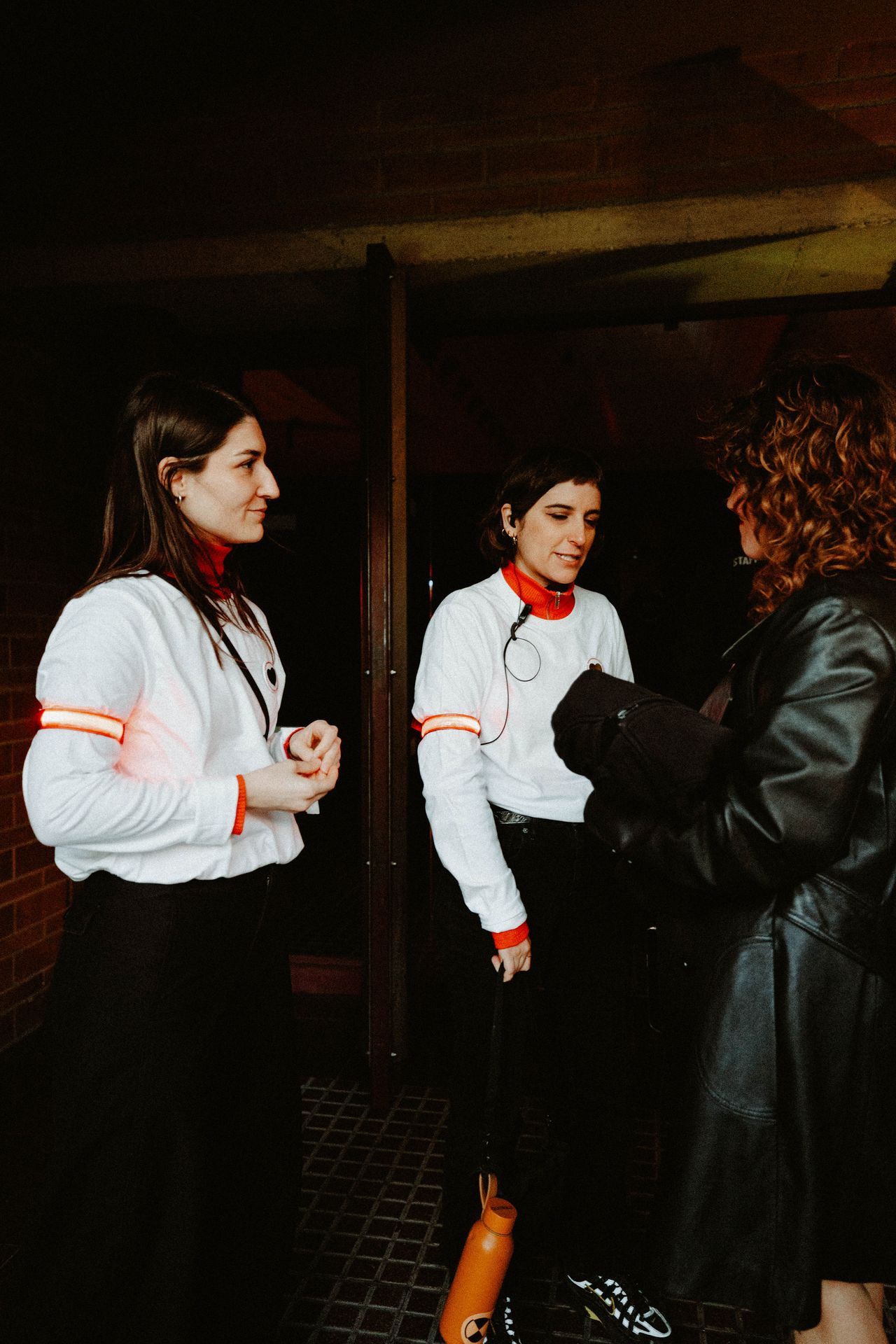
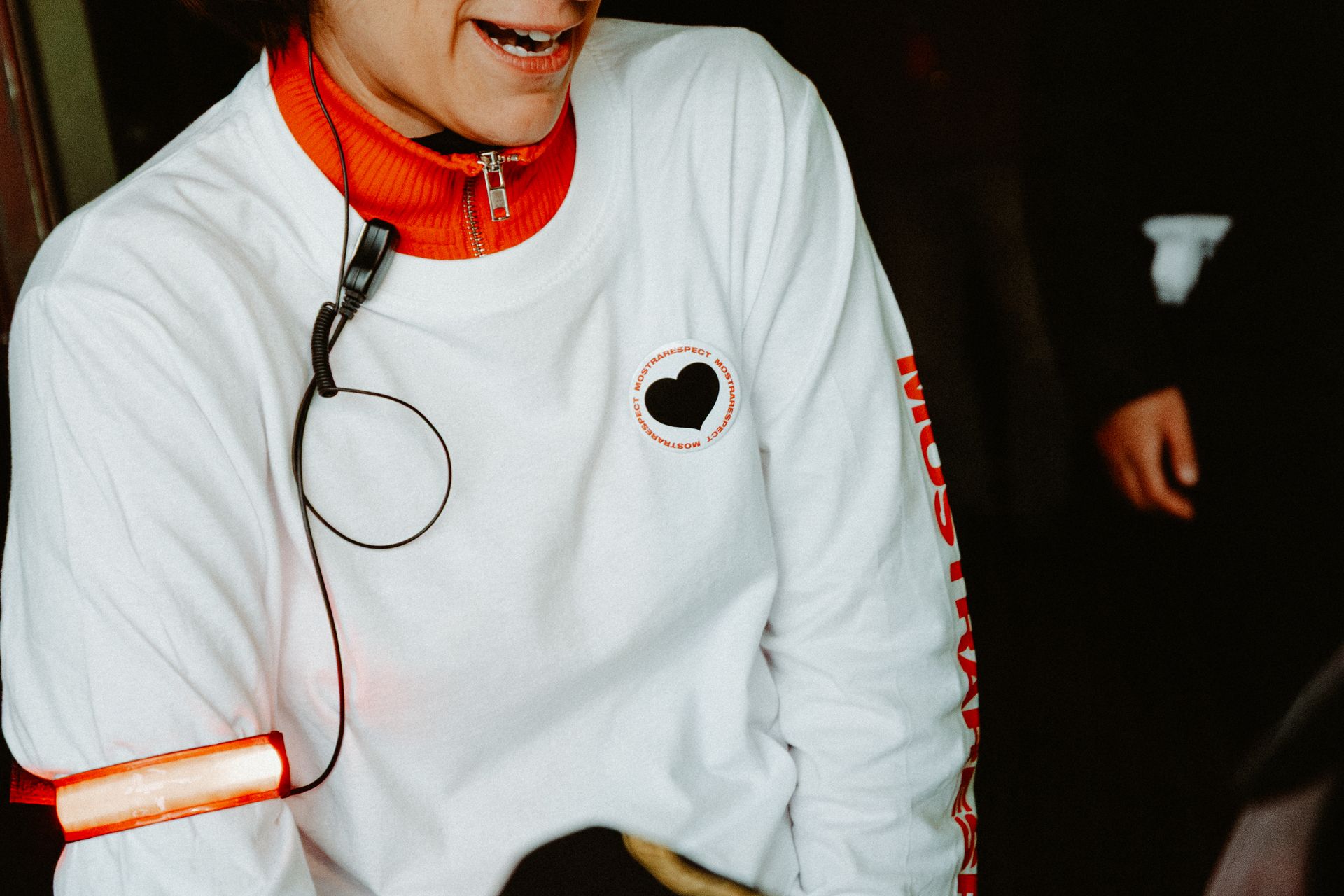
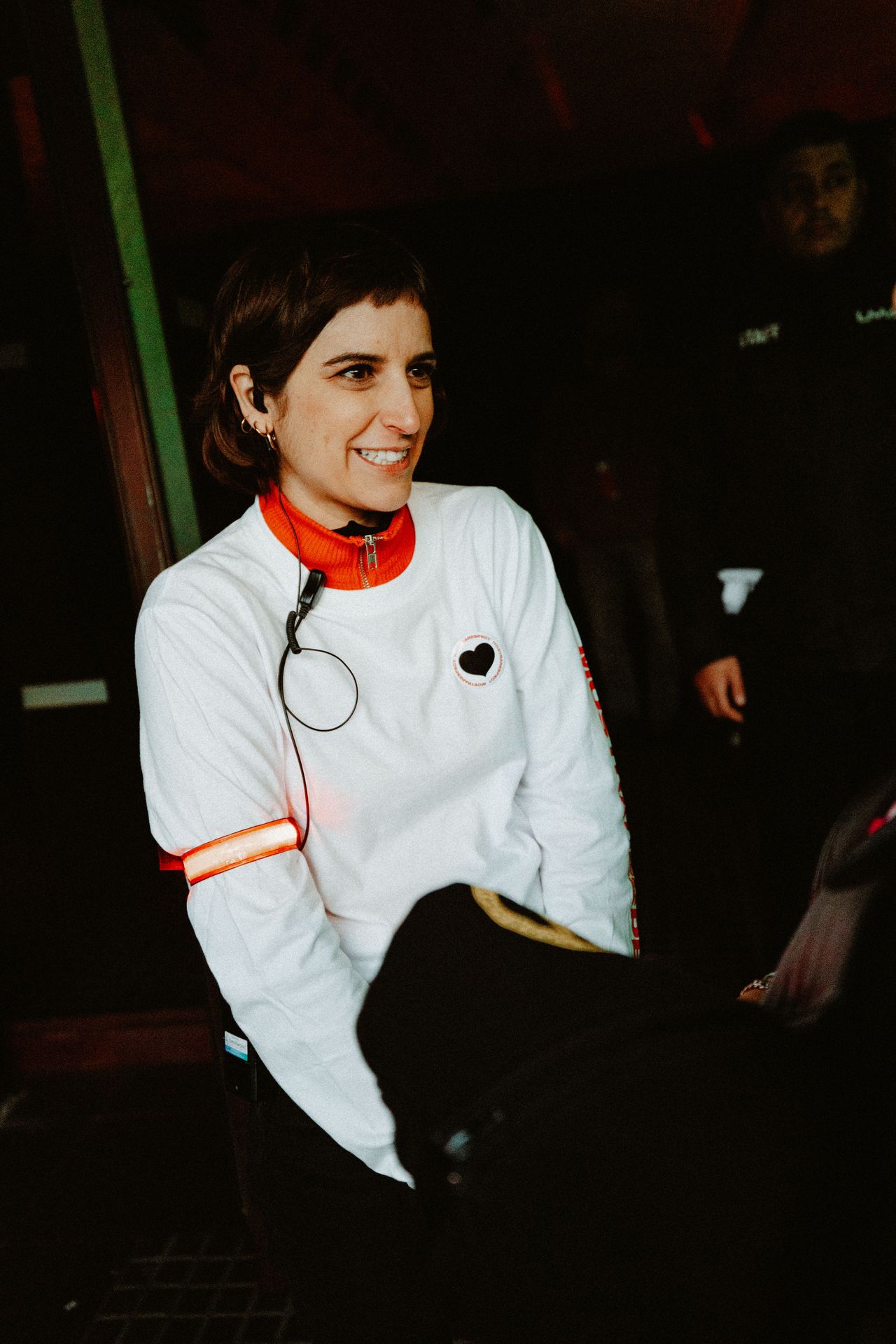
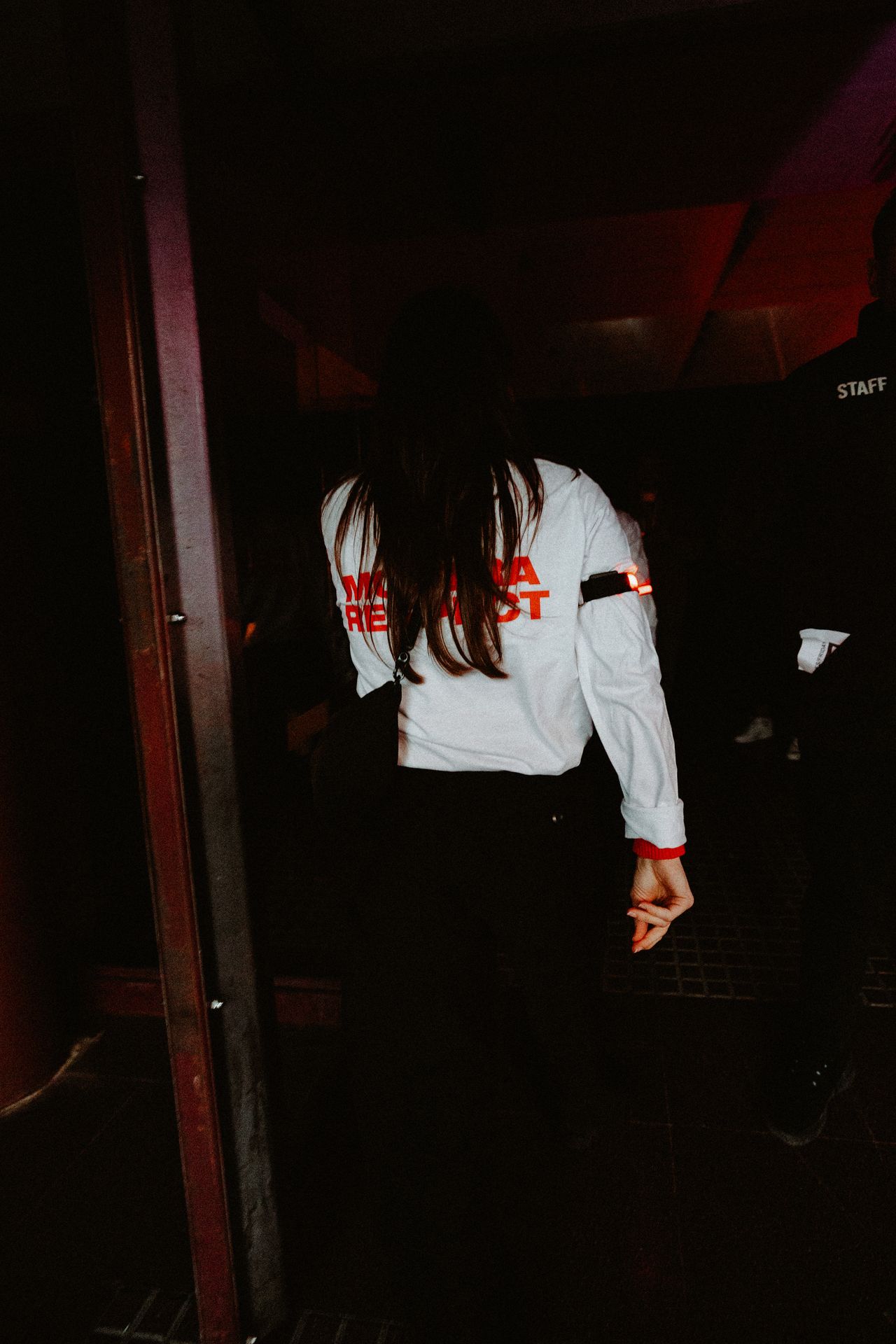
Visible throughout the venue, team members circulate carrying small waist packs stocked with earplugs, sweets and other essentials while remaining available to support anyone who may feel uncomfortable or simply need assistance.
For those seeking a quieter moment, a dedicated calm space offers an alternative to the intensity of the dance floor.
Mostra also works alongside a self-managed feminist collective rooted in Barcelona's free party scene, highlighting its belief that safer spaces are built collectively rather than through policy alone.
Beyond the Music
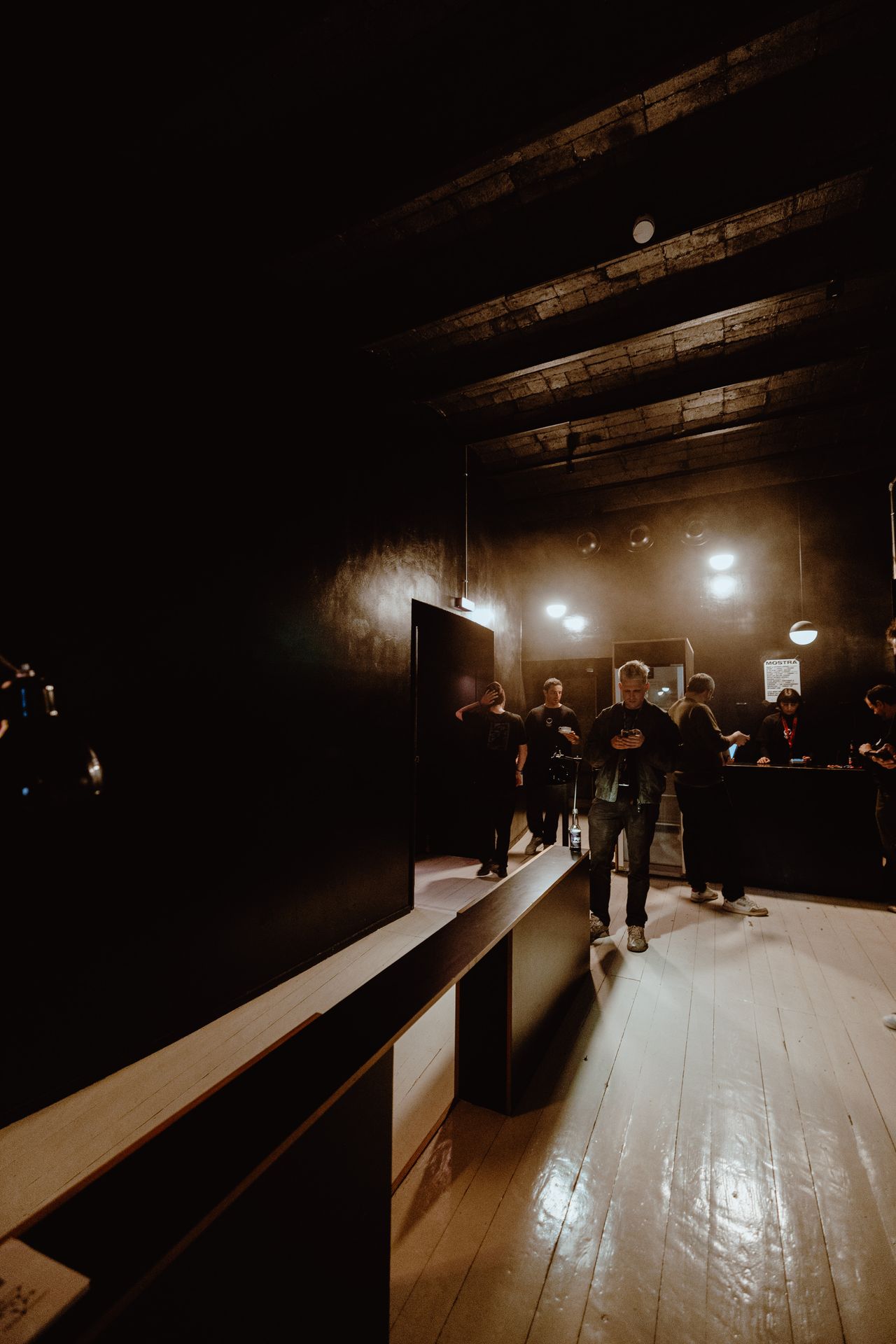
Walking through Mostra, one impression gradually takes shape.
The festival's identity is not defined solely by the artists performing on stage—remarkable as they may be. Instead, it emerges from the coherence between the music it presents and the way the entire event has been conceived.
At a time when many festivals seek to stand out through increasingly spectacular productions or headline bookings, Mostra suggests a different definition of innovation.
One that is quieter, perhaps less immediately visible, yet no less ambitious.
It raises a broader question for the electronic music community: can we truly embrace artistic experimentation without also rethinking the environmental, social and organisational models that support it?
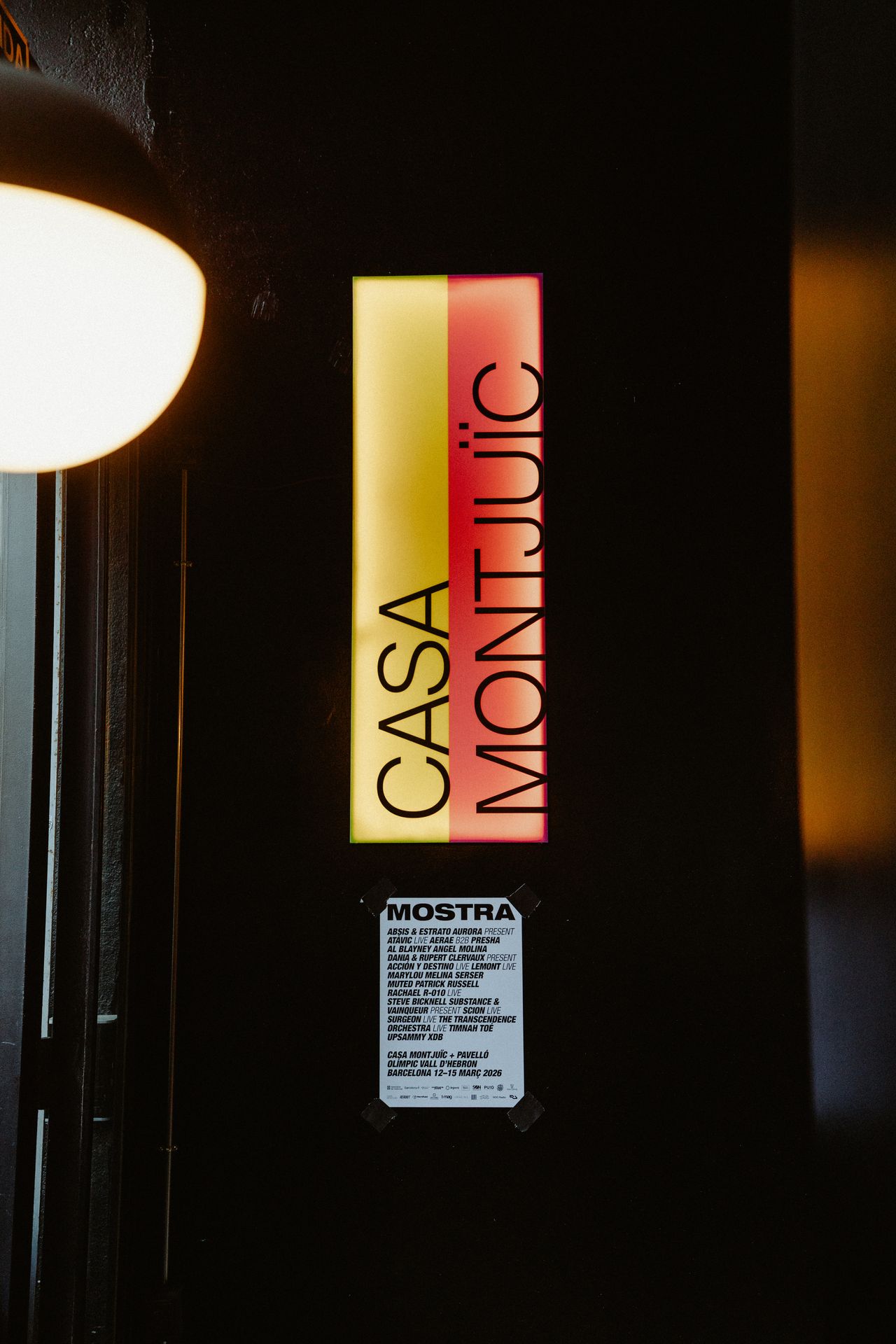

After spending time with the people behind the festival, Mostra seems to offer a compelling answer.
Rather than simply hosting performances, it has become a testing ground for new ways of imagining how culture can be produced, shared and experienced.
And perhaps that is its most radical idea of all.